Table of Contents
Insurance can feel overwhelming with so many different types of insurance available. Which ones do you actually need? What’s the difference between term and whole life insurance? Do you really need umbrella coverage? How do you choose between HMO and PPO health plans?
Understanding the various types of insurance helps you make informed decisions about protecting yourself, your family, and your assets. Some insurance is legally required, some is essential for financial security, and some is optional depending on your specific situation.
This comprehensive guide breaks down every major type of insurance, explaining what each one covers, who needs it, typical costs, and how to decide if it’s right for you. Whether you’re just starting to build your insurance portfolio or reviewing your existing coverage, you’ll find everything you need to make smart insurance decisions.
By the end of this guide, you’ll understand the complete landscape of insurance options and be able to identify exactly which types of insurance belong in your financial plan.
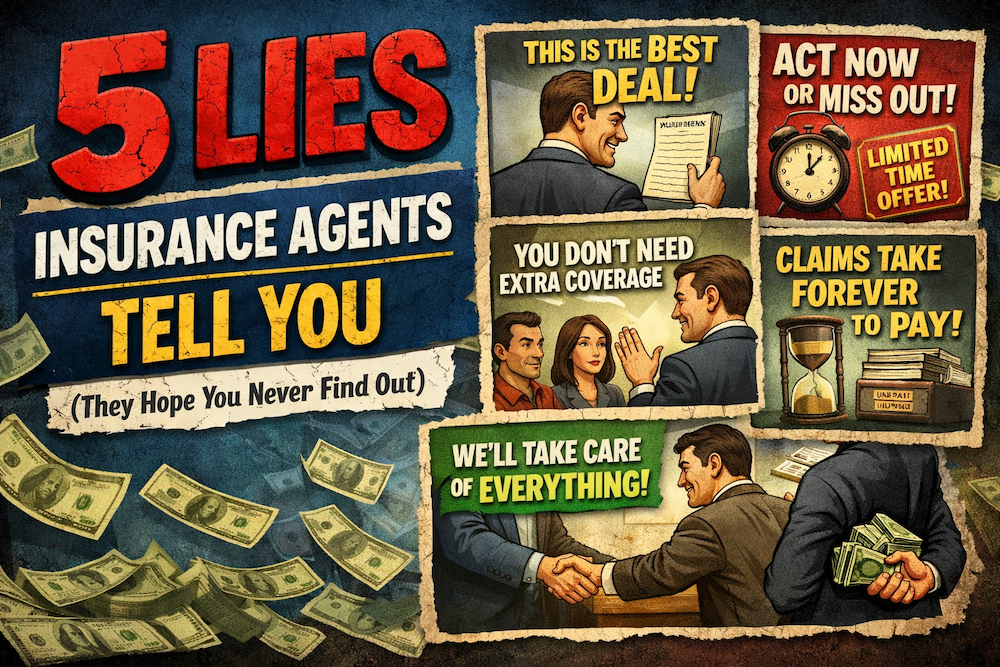
People Also Love : 5 Lies Insurance Agents Tell You (They Hope You Never Find Out
Understanding Insurance Categories
Before diving into specific types of insurance, it helps to understand how insurance is categorized. Most insurance falls into four main categories:
| Insurance Category | What It Protects | Common Types |
|---|---|---|
| Health and Life Insurance | Your health, life, and income | Health, life, disability, long-term care |
| Property Insurance | Physical assets you own | Homeowners, renters, auto, valuable items |
| Liability Insurance | Legal and financial responsibility | Auto liability, umbrella, professional liability |
| Specialty Insurance | Specific risks or situations | Travel, pet, wedding, business |
Within each category, you’ll find multiple types of insurance designed for different needs and situations. Let’s explore each type in detail.
Health and Life Insurance Types
These types of insurance protect your most important asset: your ability to earn income and support yourself and your family.
1. Health Insurance
Health insurance covers medical expenses, from routine checkups to major surgeries. It’s one of the most important types of insurance you can have.
Main Types of Health Insurance Plans:
| Plan Type | How It Works | Best For | Average Monthly Cost |
|---|---|---|---|
| HMO (Health Maintenance Organization) | Must use network doctors, need referrals for specialists | People who want lower premiums and don’t mind network restrictions | $450 – $600 |
| PPO (Preferred Provider Organization) | Can see any doctor, lower costs in-network | People who want flexibility and don’t mind higher premiums | $550 – $750 |
| EPO (Exclusive Provider Organization) | Must use network except emergencies, no referrals needed | People who want mid-range premiums with some flexibility | $500 – $650 |
| POS (Point of Service) | Hybrid of HMO and PPO, need referrals but can go out of network | People who want balance between cost and flexibility | $500 – $700 |
| HDHP (High Deductible Health Plan) | High deductible, low premiums, HSA-eligible | Healthy people who want to save on premiums | $350 – $500 |
What health insurance covers:
- Doctor visits and preventive care
- Hospital stays and surgeries
- Emergency care
- Prescription medications
- Mental health services
- Maternity and newborn care
- Rehabilitation services
- Laboratory tests and imaging
Who needs it: Everyone. Medical emergencies can happen to anyone at any age.
Average costs:
- Individual coverage: $400 – $700/month
- Family coverage: $1,200 – $2,000/month
- Deductibles: $1,500 – $8,000 per person
- Out-of-pocket maximum: $9,450 (individual) / $18,900 (family)

2. Life Insurance
Life insurance pays a benefit to your beneficiaries when you die, helping them maintain their lifestyle and cover expenses.
Types of Life Insurance:
Term Life Insurance: Coverage for a specific period (10, 20, or 30 years). If you die during the term, beneficiaries receive the death benefit. If you outlive the term, coverage ends.
| Term Length | Who It’s Best For | Average Monthly Cost ($500,000 coverage, age 35) |
|---|---|---|
| 10-year term | Temporary coverage needs, tight budgets | $20 – $30 |
| 20-year term | Covering kids through college | $25 – $40 |
| 30-year term | Covering mortgage, long-term needs | $40 – $60 |
Whole Life Insurance: Permanent coverage that lasts your entire life. Includes a cash value component that grows over time.
- Monthly cost: $300 – $800 for $500,000 coverage
- Builds cash value you can borrow against
- Premiums never increase
- Much more expensive than term life
Universal Life Insurance: Flexible permanent life insurance where you can adjust premiums and death benefits.
- Variable premiums and death benefits
- Cash value grows based on interest rates
- More complex than whole life
- Costs between term and whole life
Who needs life insurance:
- Anyone with dependents (spouse, children)
- People with debts others would inherit
- Business owners with partners
- Stay-at-home parents (their work has value)
- High earners wanting to leave inheritance
Who doesn’t need life insurance:
- Single people with no dependents
- Retirees with sufficient assets
- Children (in most cases)

3. Disability Insurance
Disability insurance replaces a portion of your income if you become unable to work due to illness or injury.
Types of Disability Insurance:
| Type | Coverage Period | Benefit Amount | Best For |
|---|---|---|---|
| Short-Term Disability | 3-6 months | 60-70% of income | Temporary illnesses, maternity leave |
| Long-Term Disability | Until retirement age or specific years | 50-70% of income | Serious injuries, chronic conditions |
Key features to understand:
Own Occupation vs Any Occupation:
- Own occupation: Pays if you can’t do your specific job
- Any occupation: Pays only if you can’t do any job
- Own occupation is more expensive but better protection
Elimination Period: Waiting period before benefits start (like a deductible):
- 30 days: Higher premiums
- 90 days: Standard choice
- 180 days: Lower premiums
Who needs it:
- Anyone who depends on their income
- Self-employed individuals
- High earners
- People in physical jobs
Average costs:
- 1-3% of annual income
- $60,000 income: $50 – $150/month
- $100,000 income: $85 – $250/month
People Also Love : Student Finance Guide: Money Management Made Simple
4. Long-Term Care Insurance
Long-term care insurance covers costs of extended care services when you can’t perform basic daily activities (bathing, dressing, eating).
What it covers:
- Nursing home care ($7,000 – $10,000/month)
- Assisted living facilities ($4,000 – $7,000/month)
- In-home care ($25 – $50/hour)
- Adult day care programs
When to buy:
- Best purchased between ages 50-65
- After 65, premiums jump significantly
- Before health issues develop
Average costs by age:
| Age at Purchase | Annual Premium | Total Paid by Age 85 |
|---|---|---|
| 55 | $2,000 | $60,000 |
| 60 | $2,500 | $62,500 |
| 65 | $3,500 | $70,000 |
| 70 | $5,500+ | $82,500+ |
Who needs it:
- People with assets to protect ($100,000+)
- Those without family to provide care
- People who want to avoid burdening children
- Those concerned about nursing home costs
Property Insurance Types
These types of insurance protect your physical possessions and property.
5. Homeowners Insurance
Homeowners insurance protects your home and belongings from damage, theft, and liability.
Standard Homeowners Policy Includes:
| Coverage Type | What It Protects | Typical Limits |
|---|---|---|
| Dwelling Coverage | Structure of your home | Rebuilding cost (often $200,000 – $500,000) |
| Other Structures | Garage, shed, fence | 10% of dwelling coverage |
| Personal Property | Belongings inside home | 50-70% of dwelling coverage |
| Loss of Use | Hotel/living expenses if home uninhabitable | 20% of dwelling coverage |
| Personal Liability | Legal responsibility for injuries/damage | $100,000 – $500,000 |
| Medical Payments | Guest injuries on your property | $1,000 – $5,000 |
Types of Homeowners Policies:
HO-3 (Most Common):
- Covers home for all perils except those specifically excluded
- Covers belongings for named perils only
- Most comprehensive standard policy
HO-5 (Premium Coverage):
- Covers home and belongings for all perils except exclusions
- More expensive but broader protection
- Better for valuable items
HO-6 (Condo Insurance):
- Covers unit interior and personal property
- Building exterior covered by HOA
- Includes loss assessment coverage
Average costs:
- National average: $1,500 – $2,000/year
- Varies by location, home value, and coverage
- Higher in areas prone to natural disasters
Common exclusions:
- Floods (need separate flood insurance)
- Earthquakes (need separate earthquake insurance)
- Normal wear and tear
- Intentional damage
- Certain dog breeds (liability)
6. Renters Insurance
Renters insurance protects your personal belongings and provides liability coverage when renting.
What renters insurance covers:
- Personal property (furniture, electronics, clothing)
- Liability for damage you cause to rental unit
- Guest injuries in your rental
- Additional living expenses if rental becomes uninhabitable
- Belongings stolen from your car
What it doesn’t cover:
- Building structure (landlord’s responsibility)
- Landlord’s property
- Roommate’s belongings (they need their own policy)
- Floods or earthquakes (need separate policies)
Coverage amounts:
| Coverage Type | Typical Amount | What It Means |
|---|---|---|
| Personal Property | $20,000 – $50,000 | Total value of your stuff |
| Liability | $100,000 – $300,000 | Protection from lawsuits |
| Medical Payments | $1,000 – $5,000 | Guest injury coverage |
| Loss of Use | Actual expenses | Hotel if you can’t stay in rental |
Average cost: $15 – $30/month ($180 – $360/year)
Who needs it:
- All renters (protect belongings and liability)
- Required by many landlords
- Students living off campus
- Anyone with valuable possessions
7. Auto Insurance
Auto insurance covers damage to vehicles, injuries from accidents, and legal liability.
Required Auto Insurance Coverage:
Liability Coverage (Required in 49 States):
| Coverage Type | What It Covers | Minimum Limits (Varies by State) |
|---|---|---|
| Bodily Injury Liability | Injuries you cause to others | $25,000 per person / $50,000 per accident |
| Property Damage Liability | Damage you cause to others’ property | $10,000 – $25,000 |
Optional But Recommended Coverage:
| Coverage Type | What It Covers | Typical Cost Add-On |
|---|---|---|
| Collision | Damage to your car from accidents | $200 – $400/year |
| Comprehensive | Theft, vandalism, weather, animals | $150 – $300/year |
| Uninsured/Underinsured Motorist | Injuries from drivers with no/low insurance | $50 – $150/year |
| Medical Payments | Your medical bills after accident | $50 – $100/year |
| Personal Injury Protection (PIP) | Medical bills and lost wages (no-fault states) | $100 – $300/year |
Recommended liability limits:
- Minimum legal: $25,000/$50,000/$25,000
- Good coverage: $100,000/$300,000/$100,000
- Better coverage: $250,000/$500,000/$250,000
- Best: $500,000/$1,000,000/$500,000 or umbrella policy
Average auto insurance costs:
| Driver Profile | Monthly Premium | Annual Cost |
|---|---|---|
| 25-year-old, clean record | $150 – $200 | $1,800 – $2,400 |
| 35-year-old, clean record | $120 – $170 | $1,440 – $2,040 |
| 45-year-old, clean record | $110 – $150 | $1,320 – $1,800 |
| Any age, one accident | +$500 – $1,000/year | +40-60% increase |
| Any age, DUI | +$2,000 – $4,000/year | +100-200% increase |

8. Motorcycle Insurance
Similar to auto insurance but specific to motorcycles.
Required coverage:
- Liability coverage (most states)
- Minimum limits similar to auto insurance
Recommended additional coverage:
- Collision and comprehensive
- Uninsured motorist
- Medical payments
- Accessory coverage (custom parts)
Average cost: $500 – $1,500/year (higher than auto due to injury risk)
9. Boat and Watercraft Insurance
Protects boats, jet skis, and other watercraft.
Coverage includes:
- Physical damage to vessel
- Liability for injuries or property damage
- Medical payments
- Uninsured boater coverage
- Trailer coverage
- Towing and assistance
Average cost:
- Small boats: $300 – $500/year
- Large boats: $500 – $2,000+/year
- Depends on value, type, and usage
10. Valuable Items Insurance
Additional coverage for high-value items that exceed standard policy limits.
Items that often need separate coverage:
- Jewelry ($1,500+ items)
- Fine art and collectibles
- Musical instruments
- Camera equipment
- Antiques and heirlooms
- Wine collections
- Designer handbags
Types of valuable items coverage:
| Coverage Type | How It Works | Cost |
|---|---|---|
| Scheduled Personal Property | Lists specific items with appraisals | 1-2% of item value per year |
| Blanket Coverage | Increases overall personal property limits | Varies by total value |
| Collections Coverage | Specific to type of collection | Based on collection value |
Example costs:
- $10,000 engagement ring: $100 – $200/year
- $5,000 camera equipment: $50 – $100/year
- $20,000 art collection: $200 – $400/year
Liability Insurance Types
These types of insurance protect you from legal and financial responsibility.
11. Umbrella Insurance
Umbrella insurance provides extra liability coverage beyond your auto and homeowners insurance limits.
How umbrella insurance works: Your auto insurance covers up to $300,000 in liability. Someone sues you for $1 million. Without umbrella insurance, you’re personally liable for $700,000. With $1 million umbrella policy, it covers the extra $700,000.
What umbrella insurance covers:
- Bodily injury liability beyond base policies
- Property damage liability beyond base policies
- Certain lawsuits (libel, slander, defamation)
- Legal defense costs
- Incidents outside the US
What it doesn’t cover:
- Your own injuries or property
- Intentional acts
- Business liability (need business policy)
- Professional liability
Coverage amounts and costs:
| Coverage Amount | Annual Premium | Who Needs This Level |
|---|---|---|
| $1 million | $200 – $300 | Most homeowners with assets |
| $2 million | $300 – $400 | High net worth individuals |
| $5 million | $500 – $800 | Very high net worth |
| $10 million+ | $1,000+ | Ultra high net worth |
Who needs umbrella insurance:
- Anyone with significant assets ($500,000+)
- High-income earners
- Landlords
- People with teenage drivers
- Anyone with risk factors (pool, trampoline, aggressive dog)
12. Professional Liability Insurance
Also called errors and omissions (E&O) insurance, this protects professionals from malpractice claims.
Who needs it:
| Profession | Why They Need It | Average Annual Cost |
|---|---|---|
| Doctors, Surgeons | Medical malpractice claims | $7,500 – $50,000+ |
| Lawyers | Legal malpractice claims | $500 – $3,000 |
| Accountants | Financial errors and omissions | $500 – $2,000 |
| Real Estate Agents | Transaction errors | $400 – $800 |
| Consultants | Bad advice claims | $500 – $1,500 |
| Tech Professionals | Software errors, data breaches | $800 – $2,500 |
Coverage typically includes:
- Legal defense costs
- Settlements and judgments
- Investigation costs
- Court costs and fees
13. General Liability Insurance (Business)
Protects businesses from customer injuries, property damage, and advertising claims.
What it covers:
- Customer injuries on business premises
- Damage to customer property
- Advertising injury (copyright infringement, slander)
- Medical payments for injured customers
Average costs by business type:
| Business Type | Annual Premium | Coverage Amount |
|---|---|---|
| Office/Consulting | $400 – $800 | $1 million |
| Retail Store | $500 – $1,200 | $1 million |
| Restaurant | $1,500 – $3,000 | $1 million |
| Construction | $2,500 – $5,000+ | $2 million |
Specialty Insurance Types
These are optional types of insurance for specific situations or valuable items.
14. Travel Insurance
Travel insurance protects against trip cancellations, medical emergencies abroad, and lost luggage.
Types of travel insurance coverage:
| Coverage Type | What It Covers | When You Need It |
|---|---|---|
| Trip Cancellation | Non-refundable expenses if you cancel | Expensive prepaid trips |
| Trip Interruption | Costs if you must cut trip short | International travel |
| Medical Emergency | Healthcare costs abroad | Countries with expensive healthcare |
| Medical Evacuation | Emergency transport home | Remote destinations |
| Baggage Loss | Lost, stolen, or damaged luggage | Checked bags with valuables |
| Travel Delay | Hotel and meals if significantly delayed | Tight connections |
Average costs:
- Comprehensive policy: 4-10% of trip cost
- $5,000 trip: $200 – $500
- $10,000 trip: $400 – $1,000
Who needs it:
- International travelers
- Expensive trip bookings
- Travelers with pre-existing health conditions
- Cruise passengers
- Adventure travelers
15. Pet Insurance
Pet insurance covers veterinary expenses for injuries and illnesses.
Types of pet insurance plans:
| Plan Type | What It Covers | Monthly Cost (Dog) | Monthly Cost (Cat) |
|---|---|---|---|
| Accident Only | Injuries from accidents | $10 – $20 | $8 – $15 |
| Accident & Illness | Accidents plus illnesses | $30 – $50 | $20 – $35 |
| Comprehensive | Accidents, illness, wellness | $50 – $80 | $35 – $60 |
Common coverage:
- Surgeries
- Hospitalization
- Medications
- Diagnostic tests
- Emergency care
- Chronic condition treatment
Typical exclusions:
- Pre-existing conditions
- Breeding costs
- Cosmetic procedures
- Preventive care (basic plans)
Who needs it:
- Owners of purebred dogs (higher health risks)
- People who couldn’t afford $5,000+ emergency vet bill
- Owners of young pets (get coverage before conditions develop)
16. Wedding Insurance
Wedding insurance protects against cancellations, vendor problems, and accidents.
What wedding insurance covers:
| Coverage Type | What It Protects | Typical Limit |
|---|---|---|
| Cancellation/Postponement | Severe weather, vendor bankruptcy, illness | $5,000 – $30,000 |
| Vendor Failure | Photographer no-show, caterer cancels | Up to policy limit |
| Liability | Guest injuries, property damage at venue | $1 million – $2 million |
| Lost Deposits | Non-refundable deposits if vendor fails | Varies |
| Lost Rings | Engagement/wedding rings lost or stolen | $5,000 – $10,000 |
| Attire Damage | Dress or tux ruined | $2,000 – $5,000 |
Average cost: $150 – $600 (depending on wedding cost and coverage)
Who needs it:
- Couples spending $10,000+ on weddings
- Outdoor weddings (weather risk)
- Destination weddings
- Weddings during risky seasons (hurricane, winter)
17. Identity Theft Insurance
Covers expenses related to recovering from identity theft.
What it covers:
- Legal fees to dispute fraudulent charges
- Lost wages from time off work to resolve issues
- Notary and certified mailing costs
- Credit monitoring services
- Loan re-application fees
What it doesn’t cover:
- Financial losses from stolen money (credit cards already protect this)
- Emotional distress
- Losses due to your own negligence
Average cost: $25 – $60/year (often included with homeowners/renters insurance)
Who needs it:
- People with poor cybersecurity habits
- Frequent online shoppers
- Those who’ve experienced data breaches
- Seniors (often targeted)
18. Cyber Insurance
Protects businesses from data breaches, cyberattacks, and technology failures.
Coverage includes:
- Data breach notification costs
- Credit monitoring for affected customers
- Legal fees and regulatory fines
- Business interruption from cyber events
- Cyber extortion payments
- Public relations to manage reputation
Who needs it:
- Any business storing customer data
- E-commerce businesses
- Healthcare providers (HIPAA requirements)
- Financial services firms
- Small businesses (frequent targets)
Average cost: $1,000 – $7,500/year depending on business size and data volume
Specialized Life Situation Insurance Types
19. Mortgage Protection Insurance
Pays off your mortgage if you die, become disabled, or lose your job.
How it differs from life insurance:
- Decreases as mortgage balance decreases
- Pays directly to lender (not beneficiaries)
- More expensive than term life insurance
Better alternative: Term life insurance for the mortgage amount gives more flexibility and is usually cheaper.
Average cost: $50 – $100/month for $200,000 mortgage
Who might need it:
- People who can’t qualify for traditional life insurance
- Those who want mortgage specifically covered
20. Final Expense Insurance
Small whole life policy designed to cover funeral and burial costs.
Coverage amounts: $5,000 – $25,000
What it covers:
- Funeral services
- Burial or cremation
- Outstanding medical bills
- Estate settlement costs
Who needs it:
- Seniors without life insurance
- People who don’t want to burden family with funeral costs
- Those who don’t qualify for traditional life insurance
Average cost: $50 – $150/month depending on age and coverage amount
21. Credit Insurance
Pays your loan or credit card payments if you die, become disabled, or lose your job.
Types:
- Credit life insurance
- Credit disability insurance
- Credit unemployment insurance
Warning: Generally expensive and poor value. Regular life and disability insurance usually better options.
Average cost: Often 1-2% of loan balance monthly
22. Gap Insurance (Auto)
Covers the “gap” between what you owe on a car loan and what the car is worth if totaled.
When you need it:
- Small down payment (less than 20%)
- Long loan term (60+ months)
- Car depreciates quickly
- Upside down on car loan
Example:
- You owe $25,000 on car loan
- Car totaled in accident
- Car’s actual value: $18,000
- Gap insurance pays the $7,000 difference
Average cost: $20 – $40/year when added to auto policy (much cheaper than dealer gap insurance)
How to Choose Which Types of Insurance You Need
With so many types of insurance available, how do you decide which ones to purchase? Here’s a priority framework:
Essential Insurance (Nearly Everyone Needs)
| Insurance Type | Why It’s Essential | Who Can Skip |
|---|---|---|
| Health Insurance | Medical emergencies are unpredictable and expensive | Almost no one |
| Auto Insurance | Legally required, protects from massive liability | People who don’t drive |
| Renters/Homeowners Insurance | Protects belongings and liability | No one with property to protect |
| Life Insurance | Protects dependents financially | Single people with no debts or dependents |
| Disability Insurance | Most people depend on their income | Those with passive income covering expenses |
Very Important Insurance (Most People Need)
| Insurance Type | Who Needs It |
|---|---|
| Umbrella Liability | Anyone with assets over $500,000 or high lawsuit risk |
| Long-Term Care | People 50+ with assets to protect |
| Professional Liability | All professionals providing services or advice |
Situational Insurance (Some People Need)
| Insurance Type | Who Needs It |
|---|---|
| Pet Insurance | Owners who couldn’t afford $5,000+ emergency vet bill |
| Travel Insurance | Frequent international travelers, expensive trips |
| Valuable Items | People with jewelry, art, or collectibles over $5,000 |
| Wedding Insurance | Couples spending $15,000+ on weddings |
Usually Not Necessary Insurance
These types of insurance are often poor value:
- Extended warranties (high profit for retailers)
- Credit insurance (expensive, limited benefit)
- Mortgage protection (term life is better)
- Rental car insurance (often covered by credit cards)
- Mail insurance for standard packages
- Cell phone insurance (save money instead)
Common Mistakes When Choosing Insurance Types
Mistake 1: Only buying legally required insurance Minimum auto liability won’t protect your assets in serious accidents.
Mistake 2: Buying insurance you don’t need Paying for coverage that duplicates existing protection wastes money.
Mistake 3: Focusing only on price Cheapest policy often has gaps in coverage or unreliable insurers.
Mistake 4: Not updating coverage as life changes Marriage, children, home purchase all require insurance adjustments.
Mistake 5: Buying specialty insurance before essentials Don’t buy wedding insurance if you don’t have adequate life insurance.
Mistake 6: Assuming one policy covers everything Homeowners doesn’t cover floods. Auto doesn’t cover business use.
Mistake 7: Not reading exclusions Understanding what’s NOT covered is as important as what is.
Insurance Type Selection Checklist
Use this checklist to ensure you have appropriate coverage:
Life Stage: Young Single Adult (22-30)
- [ ] Health insurance (required)
- [ ] Auto insurance (if you drive)
- [ ] Renters insurance
- [ ] Disability insurance (through employer)
- [ ] Term life insurance (if parents co-signed debts)
Life Stage: Married Couple, No Kids
- [ ] Health insurance (both spouses)
- [ ] Auto insurance (both drivers)
- [ ] Homeowners or renters insurance
- [ ] Life insurance ($500,000+ each)
- [ ] Disability insurance (both if working)
- [ ] Umbrella liability (if assets over $500,000)
Life Stage: Family with Children
- [ ] Health insurance (family plan)
- [ ] Auto insurance (adequate liability)
- [ ] Homeowners insurance
- [ ] Life insurance (10-12x income, both parents)
- [ ] Disability insurance (both working parents)
- [ ] Umbrella liability ($1-2 million)
- [ ] College savings plan (529, not insurance but important)
Life Stage: Empty Nesters (50-60)
- [ ] Health insurance
- [ ] Auto insurance
- [ ] Homeowners insurance
- [ ] Life insurance (review needs, may decrease)
- [ ] Disability insurance (until retirement)
- [ ] Long-term care insurance (purchase now)
- [ ] Umbrella liability
Life Stage: Retirees (65+)
- [ ] Medicare + Supplement or Medicare Advantage
- [ ] Auto insurance (may qualify for senior discounts)
- [ ] Homeowners insurance (no mortgage, may decrease)
- [ ] Long-term care insurance (if not purchased earlier)
- [ ] Life insurance (may reduce to final expense)
- [ ] Umbrella liability (if still have significant assets)
Bundling Insurance Types for Savings
Many insurers offer discounts when you purchase multiple types of insurance from them:
| Insurance Bundle | Typical Discount | Annual Savings |
|---|---|---|
| Home + Auto | 15-25% | $300 – $600 |
| Home + Auto + Umbrella | 20-30% | $500 – $900 |
| Auto + Life | 10-15% | $150 – $300 |
| Multiple Vehicles | 10-20% | $200 – $400 |
Bundling benefits:
- Lower overall premiums
- Single point of contact
- Simplified billing
- Often better customer service
Bundling cautions:
- Bundle discount doesn’t always mean cheapest option
- Shop around every 2-3 years
- Don’t sacrifice coverage for discount
- Compare bundled price to separate policies from different insurers
Final Thoughts: Building Your Insurance Portfolio
Understanding all the different types of insurance available helps you build a comprehensive protection strategy. The key is balancing adequate coverage with affordable premiums.
Your insurance priorities should follow this order:
- Protect your health: Health insurance first, always
- Protect your income: Life and disability insurance if others depend on you
- Protect your assets: Home and auto insurance for what you own
- Protect from lawsuits: Liability and umbrella coverage
- Protect specific situations: Travel, pet, specialty coverage as needed
Remember these principles:
- Start with essential types of insurance, add others as budget allows
- Review your insurance portfolio annually as life changes
- Don’t let insurance salespeople push unnecessary coverage
- Understand what each type covers and what it excludes
- Compare quotes from multiple insurers for each type
- Read policies carefully before signing
- Keep coverage documents organized and accessible
Insurance is about protecting what matters most to you. By understanding the various types of insurance available and matching them to your specific needs and life stage, you create a safety net that provides financial security and peace of mind.
The right combination of insurance types protects you from financial catastrophe while fitting within your budget. Take time to assess your needs, research your options, and build an insurance portfolio that gives you confidence as you navigate life’s uncertainties.