If you’re living paycheck to paycheck, struggling to save money, or wondering where all your cash goes each month, you need a budgeting method. Not just any budget, but the right budgeting system that actually works for your lifestyle.
The problem is that most people think budgeting means restricting every purchase and living a joyless life. The truth? A good budget gives you freedom by helping you spend money intentionally on what matters most to you.
People Also Read : Student Finance Guide: Money Management Made Simple
This guide covers the three most popular and effective budgeting methods used by millions of Americans: the 50/30/20 rule, zero-based budgeting, and the envelope method. You’ll learn how each one works, who it’s best for, and how to start using it today.
Why You Need a Budget (Even If You Think You Don’t)
Before diving into specific budgeting methods, let’s address the elephant in the room: why budget at all?
Without a budget, you’re making these common mistakes:
- Spending more than you earn without realizing it
- Living paycheck to paycheck despite a decent income
- Never building an emergency fund
- Racking up credit card debt that compounds monthly
- Feeling guilty about every purchase
- Missing financial goals like buying a house or retiring comfortably
With a budget, you gain control:
- Know exactly where your money goes
- Spend guilt-free on things you’ve budgeted for
- Build savings automatically
- Pay off debt faster
- Reduce financial stress
- Make progress toward big financial goals
A budget isn’t about restriction. It’s about intentionally deciding where your money goes instead of wondering where it went.
Quick Comparison: Which Budgeting Method Is Right for You?
Before we dive deep into each method, here’s a quick overview:
| Budgeting Method | Best For | Difficulty | Time Required | Flexibility |
|---|---|---|---|---|
| 50/30/20 Rule | Beginners, simple finances | Easy | 30 min/month | High |
| Zero-Based Budget | Detail lovers, variable income | Medium | 2-3 hours/month | Medium |
| Envelope Method | Overspenders, visual learners | Medium | 1-2 hours/month | Low |
Choose 50/30/20 if: You want something simple and don’t need to track every dollar.
Choose Zero-Based if: You want complete control and enjoy detailed planning.
Choose Envelope if: You struggle with overspending and need physical constraints.
Now let’s explore each budgeting method in detail.
The 50/30/20 Budget Rule: Simple and Effective
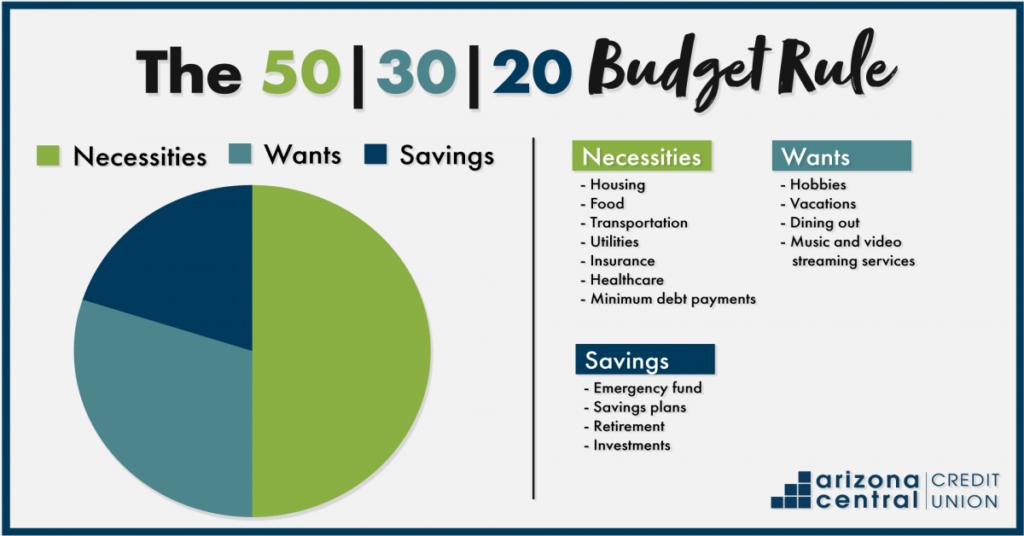
The 50/30/20 rule is the most popular budgeting method in America because it’s incredibly simple. You divide your after-tax income into just three categories.
How the 50/30/20 Rule Works
The basic formula:
- 50% for Needs (essential expenses)
- 30% for Wants (discretionary spending)
- 20% for Savings and Debt (future security)
This method was popularized by Senator Elizabeth Warren in her book “All Your Worth: The Ultimate Lifetime Money Plan.” The beauty is its simplicity: just three categories instead of dozens.
Breaking Down Each Category
50% Needs: Essential Expenses You Can’t Avoid
These are expenses required to survive and maintain your lifestyle:
- Housing: Rent or mortgage payment, property taxes, HOA fees
- Utilities: Electricity, water, gas, trash, internet (basic plan)
- Transportation: Car payment, gas, insurance, public transit, basic maintenance
- Groceries: Food for home cooking (not dining out)
- Insurance: Health insurance, life insurance (if essential)
- Minimum debt payments: Minimum payments on credit cards and loans
- Childcare: Daycare or babysitting needed for work
- Basic clothing: Work clothes and essential items (not fashion shopping)
Important: If your needs exceed 50% of your income, you either need to increase income or reduce essential costs (smaller apartment, cheaper car, etc.).
30% Wants: Things That Make Life Enjoyable
These expenses aren’t essential but improve your quality of life:
- Dining out: Restaurants, coffee shops, takeout
- Entertainment: Streaming services, movies, concerts, hobbies
- Shopping: Clothes beyond basics, electronics, home decor
- Gym membership: Unless it’s essential for your health/work
- Subscriptions: Non-essential services (premium apps, magazines)
- Travel and vacations: Weekend trips, flights, hotels
- Personal care: Haircuts, manicures, spa treatments
- Upgraded services: Premium internet, latest phone plan
This is your fun money. Use it guilt-free because you’ve already covered needs and savings.
20% Savings and Debt Repayment: Building Your Future
This category secures your financial future:
- Emergency fund: Save 3-6 months of expenses in accessible savings
- Retirement contributions: 401(k), IRA, or other retirement accounts
- Debt payoff: Payments above the minimum to eliminate debt faster
- Short-term savings: Down payment for house, car fund, wedding
- Investments: Brokerage accounts, index funds
- College savings: 529 plans for children’s education
Priority order:
- $1,000 starter emergency fund
- Employer 401(k) match (free money)
- High-interest debt (credit cards over 15% APR)
- Full emergency fund (3-6 months expenses)
- Additional retirement savings
- Other financial goals
People Also Read : Types of Insurance: Your Complete Guide to Understanding Every Coverage Option
Real-World Example: 50/30/20 Budget
Sarah’s monthly take-home income: $4,000
| Category | Percentage | Amount | What It Covers |
|---|---|---|---|
| Needs | 50% | $2,000 | Rent ($1,200), car payment ($250), insurance ($150), groceries ($300), utilities ($100) |
| Wants | 30% | $1,200 | Dining out ($300), streaming ($50), shopping ($400), gym ($50), entertainment ($400) |
| Savings/Debt | 20% | $800 | Emergency fund ($300), 401(k) ($350), credit card payoff ($150) |
Sarah follows this split every month. She knows she has $1,200 for fun without guilt because her needs are covered and she’s saving for the future.
How to Implement the 50/30/20 Rule
Step 1: Calculate your after-tax income
Your monthly after-tax income is what hits your bank account after:
- Federal taxes
- State taxes
- Social Security and Medicare
- Health insurance premiums
- 401(k) contributions (already deducted)
For W-2 employees: Add up your monthly take-home pay. For self-employed: Calculate monthly income minus estimated taxes.
Step 2: Categorize your current spending
Review the last 3 months of expenses:
- Download bank and credit card statements
- Categorize every expense as Need, Want, or Savings/Debt
- Calculate what percentage of income goes to each category
- Be honest about needs vs. wants (Netflix is a want)
Step 3: Adjust your spending to hit 50/30/20
If needs exceed 50%:
- Move to a cheaper apartment
- Refinance your car loan
- Shop at discount grocers
- Cut back on insurance costs (raise deductibles)
- Increase your income (side hustle, raise)
If wants exceed 30%:
- Reduce dining out frequency
- Cancel unused subscriptions
- Find free entertainment options
- Set a monthly shopping limit
- Wait 24 hours before non-essential purchases
If savings is below 20%:
- Automate savings on payday
- Reduce wants category
- Find ways to earn extra income
- Start small and increase gradually
Step 4: Automate your budget
Make the 50/30/20 rule effortless:
- Set up automatic transfers on payday:
- 20% to savings account immediately
- Remaining 80% stays in checking for needs and wants
- Use separate accounts:
- Checking account for needs and wants (80%)
- High-yield savings for emergency fund
- Retirement accounts for long-term savings
- Track weekly or monthly:
- Check that needs stay around 50%
- Monitor wants spending
- Ensure 20% savings happens
Pros and Cons of the 50/30/20 Rule
Advantages:
✅ Extremely simple: Only three categories to manage
✅ Flexible: Exact expenses can vary within categories
✅ Beginner-friendly: Perfect for budgeting newbies
✅ Not restrictive: Still plenty of room for fun (30%)
✅ Forces savings: 20% prioritizes your future
✅ Quick to set up: Can start in 30 minutes
Disadvantages:
❌ Not detailed enough for some: Doesn’t track specific spending
❌ May not work for high cost-of-living areas: Needs might exceed 50%
❌ Difficult with very low income: 50% may not cover basics
❌ Doesn’t address specific debt payoff: Just allocates 20% generally
❌ Needs vs. wants can be subjective: Requires honest self-assessment
Who Should Use the 50/30/20 Rule?
Perfect for:
- Budgeting beginners who feel overwhelmed
- People with straightforward finances
- Those who want flexibility without micromanaging
- Anyone currently living paycheck to paycheck
- Young professionals starting their financial journey
- People who need a simple maintenance budget
Not ideal for:
- Those with high debt requiring aggressive payoff
- People who need detailed spending tracking
- Very low-income households where 50% doesn’t cover needs
- Anyone in high cost-of-living cities without high income
- Detail-oriented people who want to track every dollar
Zero-Based Budgeting: Every Dollar Has a Job
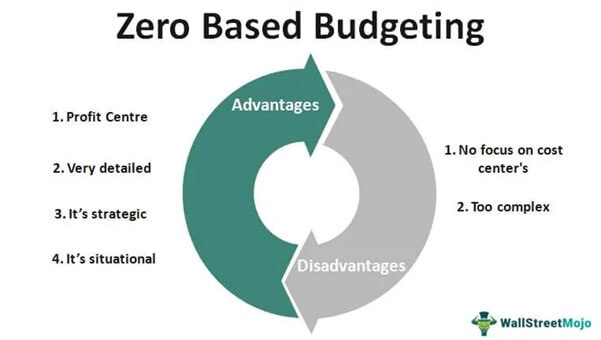
Zero-based budgeting is the most detailed and intentional budgeting method. The core principle: assign every single dollar of income to a specific purpose until you have zero dollars left unassigned.
How Zero-Based Budgeting Works
The fundamental equation:
Income – All Expenses – Savings = Zero
You’re not spending everything to zero. You’re allocating everything to zero. Every dollar is assigned a “job” before the month begins.
Example: Monthly income: $5,000
- Rent: $1,500
- Groceries: $500
- Car payment: $400
- Insurance: $300
- Utilities: $200
- Gas: $150
- Dining out: $300
- Entertainment: $200
- Gym: $50
- Emergency fund: $600
- Retirement: $750
- Debt payoff: $50 Total allocated: $5,000 (equals income, so budget balances to zero)
Every dollar is assigned before you spend anything. No money is left “unbudgeted” or floating around.
The Zero-Based Budgeting Process
Step 1: List all income sources
Write down every penny you expect this month:
- Primary job salary (after taxes)
- Second job or side hustle
- Freelance income
- Investment dividends
- Rental income
- Child support or alimony
- Any other money coming in
Be conservative: Use your lowest expected income if it varies month to month.
Step 2: List all expenses and savings goals
Create categories for everything:
Fixed expenses (same every month):
- Rent/mortgage
- Car payment
- Insurance premiums
- Subscription services
- Loan payments
- Phone bill
Variable expenses (change monthly):
- Groceries
- Utilities
- Gas/transportation
- Dining out
- Entertainment
- Personal care
- Clothing
Periodic expenses (not every month):
- Car maintenance
- Medical co-pays
- Gifts (birthdays, holidays)
- Annual subscriptions
- Property taxes
- Car registration
Pro tip: For periodic expenses, divide the annual cost by 12 and budget that amount monthly. Example: $1,200 annual car insurance = $100/month budgeted.
Savings and goals:
- Emergency fund
- Retirement contributions
- Debt payments above minimum
- Vacation fund
- Down payment savings
- Any specific financial goals
Step 3: Assign every dollar until you reach zero
Start allocating your income to categories:
- Cover essential needs first (housing, food, transportation)
- Add required payments (minimums on all debts)
- Fund important savings (emergency fund, retirement)
- Allocate to wants and discretionary spending
- Assign any remaining dollars to extra debt payoff or savings
Adjust until income – expenses = $0
If you have money left over, don’t leave it unassigned. Put it toward:
- Extra debt payment
- Additional savings
- A specific goal
- Next month’s expenses
Step 4: Track spending throughout the month
Unlike the 50/30/20 rule, zero-based budgeting requires ongoing tracking:
- Record every purchase
- Subtract from the appropriate category
- Watch category balances
- Stop spending in a category when it hits zero
- Adjust categories if needed (move money between categories)
Step 5: Reconcile and create next month’s budget
At month end:
- Review actual spending vs. planned budget
- Identify categories where you overspent
- Celebrate categories where you stayed on track
- Adjust next month’s budget based on what you learned
- Create a new zero-based budget for the coming month
Real-World Example: Zero-Based Budget
Marcus’s monthly take-home income: $6,500
| Category | Budgeted | Purpose |
|---|---|---|
| Housing | ||
| Mortgage | $1,800 | House payment |
| Property tax | $200 | 1/12 of annual tax |
| HOA fee | $150 | Monthly association fee |
| Home maintenance | $100 | Repairs, upkeep fund |
| Utilities | ||
| Electric | $120 | Power bill |
| Water/trash | $60 | City services |
| Internet | $80 | Home internet |
| Transportation | ||
| Car payment | $450 | Vehicle loan |
| Gas | $200 | Fuel for commute |
| Car insurance | $150 | Auto coverage |
| Maintenance fund | $75 | Oil changes, repairs |
| Food | ||
| Groceries | $600 | Food shopping |
| Dining out | $250 | Restaurants, takeout |
| Coffee shops | $80 | Daily coffee |
| Personal | ||
| Phone bill | $70 | Cell service |
| Gym membership | $60 | Fitness |
| Clothing | $100 | Clothes, shoes |
| Personal care | $75 | Haircuts, toiletries |
| Entertainment | ||
| Streaming services | $45 | Netflix, Spotify, etc. |
| Hobbies | $100 | Photography gear |
| Fun money | $150 | Miscellaneous fun |
| Insurance | ||
| Health insurance | $200 | Medical coverage |
| Life insurance | $85 | Term policy |
| Debt | ||
| Credit card minimum | $100 | Required payment |
| Credit card extra | $300 | Aggressive payoff |
| Student loan | $250 | Education debt |
| Savings & Goals | ||
| Emergency fund | $400 | Building 6 months |
| Retirement (401k) | $650 | Future security |
| Vacation fund | $200 | Annual trip |
| Giving | ||
| Charity | $100 | Monthly donation |
| Miscellaneous | ||
| Gifts | $100 | Birthdays, holidays |
| Pet care | $50 | Dog food, vet |
| TOTAL | $6,500 | Equals income (zero) |
Marcus has assigned every single dollar. When he spends $50 at the grocery store, he subtracts it from his $600 grocery budget. When that category hits zero, he stops grocery shopping for the month or reallocates from another category.
People Also Read : 20 Best Cash App Alternatives: Find the Perfect Payment App for Your Needs
Tools for Zero-Based Budgeting
Best apps and tools:
YNAB (You Need A Budget):
- Built specifically for zero-based budgeting
- “Give every dollar a job” philosophy
- Real-time tracking
- Mobile and desktop apps
- Cost: $99/year or $14.99/month
- Best for: Serious budgeters
EveryDollar:
- Created by Dave Ramsey’s team
- Free version available
- Premium version with bank sync ($79.99/year)
- Simple interface
- Best for: Dave Ramsey followers
Goodbudget:
- Digital envelope budgeting
- Free version for 10 envelopes
- Premium: $8/month or $70/year
- Sync across devices
- Best for: Couples budgeting together
Spreadsheet (Google Sheets or Excel):
- Completely free
- Full customization
- Requires manual entry
- No automatic syncing
- Best for: DIY budgeters who like control
Pen and paper:
- Zero cost
- Requires discipline
- Fully manual
- Best for: Minimalists or those avoiding screen time
Pros and Cons of Zero-Based Budgeting
Advantages:
✅ Complete control: Know exactly where every dollar goes
✅ Highly intentional: Forces deliberate spending decisions
✅ Catches wasteful spending: Reveals unnecessary expenses
✅ Flexible: Can adjust categories as needed
✅ Works for any income level: Scalable to any budget size
✅ Promotes financial awareness: Increases money consciousness
✅ Effective for debt payoff: Directs maximum money to debt
Disadvantages:
❌ Time-consuming: Requires 2-3 hours monthly to set up and track
❌ Requires discipline: Must track every single expense
❌ Can feel restrictive: Every dollar is accounted for
❌ Learning curve: Takes 2-3 months to get comfortable
❌ Difficult with irregular income: Requires conservative estimates
❌ Potentially stressful: Can feel overwhelming for beginners
❌ Requires consistent tracking: Won’t work if you stop monitoring
Who Should Use Zero-Based Budgeting?
Perfect for:
- Detail-oriented people who like precise tracking
- Those with specific debt payoff goals
- Anyone who wants complete spending visibility
- People who have tried other methods without success
- Couples who want to budget together
- Those recovering from financial crisis
- Anyone with a spending problem they want to solve
Not ideal for:
- Extremely busy people without time for tracking
- Those who find detailed budgets stressful
- Beginners who might feel overwhelmed
- People with highly variable income (unless disciplined)
- Anyone looking for a “set and forget” budget
The Envelope Budgeting Method: Cash-Based Control
The envelope method is the oldest budgeting system and still one of the most effective for controlling spending. It uses physical cash in envelopes to create hard spending limits.
How the Envelope Method Works
The basic concept:
- Determine your spending categories
- Assign a dollar amount to each category
- Withdraw that amount in cash
- Put cash in labeled envelopes
- Only spend cash from the appropriate envelope
- When an envelope is empty, stop spending in that category
The physical limitation of cash creates a hard stop. You literally can’t overspend because the money isn’t there.
Setting Up the Envelope System
Step 1: Choose your envelope categories
Identify variable spending categories where you typically overspend:
Common envelope categories:
- Groceries
- Dining out
- Entertainment
- Gas/transportation
- Personal spending (clothing, personal care)
- Gifts
- Household items
- Kids’ activities
- Pet expenses
Don’t use envelopes for:
- Fixed bills (rent, car payment, insurance) – pay these online
- Online purchases – use a debit card tracked separately
- Savings – automate this
- Debt payments – set up automatic payments
The envelope method works best for day-to-day variable spending, not fixed bills.
Step 2: Decide how much goes in each envelope
Based on past spending and goals, assign amounts:
Sarah’s envelope budget:
- Groceries: $400
- Dining out: $200
- Gas: $150
- Entertainment: $100
- Personal care: $75
- Household: $50
- Pet care: $50 Total in envelopes: $1,025
Step 3: Withdraw cash and fill envelopes
At the beginning of each month (or each paycheck):
- Go to the bank
- Withdraw the total amount needed
- Divide cash among envelopes
- Label each envelope clearly
- Store envelopes in a safe place at home
Safety tip: Don’t carry all envelopes at once. Take only what you need for that shopping trip.
Step 4: Spend only what’s in each envelope
Rules:
- Shopping for groceries? Use the grocery envelope.
- Going out to dinner? Use the dining out envelope.
- Need gas? Use the gas envelope.
- Want to buy clothes? Use personal spending envelope.
When an envelope is empty:
- Stop spending in that category
- Wait until next month to refill
- Or move money from another envelope (sparingly)
Step 5: Track what’s left
Throughout the month:
- Check envelope balances regularly
- Pace your spending based on days remaining
- Celebrate when envelopes still have cash
- Learn from envelopes that empty too quickly
Real-World Example: Envelope Budget
The Martinez Family – Monthly Budget
Monthly income: $5,200 (after taxes)
Fixed expenses (paid online, not in envelopes):
- Rent: $1,400
- Car payment: $350
- Insurance: $250
- Phone: $120
- Utilities: $180
- Streaming services: $35
- Minimum debt payment: $150 Total fixed: $2,485
Savings and goals (automated):
- Emergency fund: $300
- Retirement: $400
- Vacation fund: $100 Total savings: $800
Remaining for envelope categories: $5,200 – $2,485 – $800 = $1,915
Envelope breakdown:
- Groceries – $500: Weekly shopping at $125/week
- Dining out – $250: Date nights and occasional takeout
- Gas – $200: Two cars, commute costs
- Kids activities – $150: Sports, activities for two children
- Entertainment – $125: Movies, bowling, family fun
- Personal spending – $200: Clothes, haircuts, personal items for 4 people
- Household – $100: Cleaning supplies, home items
- Gifts – $100: Birthdays, holidays throughout year
- Miscellaneous – $90: Unexpected small expenses
- Health/medical – $100: Co-pays, prescriptions, over-the-counter
- Pet care – $100: Dog food, vet visits
Total in envelopes: $1,915
The Martinez family withdraws $1,915 in cash on the 1st of each month, divides it into envelopes, and spends only from those envelopes for variable expenses.
Modern Envelope Method: Digital Alternatives
Don’t want to use physical cash? Try these digital envelope alternatives:
Goodbudget App:
- Virtual envelopes on your phone
- Sync with partner
- Track spending in each “envelope”
- Free for up to 10 envelopes
- Works without connecting bank accounts
Multiple checking accounts:
- Open 5-6 checking accounts
- Each account is a “category”
- Transfer money to each on payday
- Use debit cards linked to specific accounts
- Example: One account for groceries, one for entertainment
Prepaid debit cards:
- Get separate cards for different categories
- Load specific amounts monthly
- Spending stops when card balance hits zero
- Good for teens or controlling specific spending
YNAB or EveryDollar:
- Use their envelope-style budgeting features
- Assign dollars to categories
- Track spending against category limits
- Digital but follows envelope principles
Hybrid approach:
- Use cash envelopes for problem categories (dining out, entertainment)
- Use debit card for other variable expenses
- Best of both worlds
Tips for Envelope Method Success
1. Be realistic about amounts
Don’t set yourself up for failure with unrealistic budgets:
- Look at 3 months of past spending
- Set amounts you can actually stick to
- Gradually reduce if you’re trying to cut back
- Better to start with achievable goals
2. Plan for irregular expenses
Create sinking fund envelopes:
- Birthday/holiday envelope: Add $50-100 monthly for upcoming gifts
- Car maintenance envelope: Set aside $75-100 monthly for eventual repairs
- Clothing envelope: Budget monthly even if you don’t shop every month
- Medical envelope: Prepare for co-pays and prescriptions
3. Don’t rob Peter to pay Paul
Avoid constantly moving money between envelopes:
- If you overspend in dining out, don’t just steal from groceries
- Learn from the overspending
- Adjust next month’s budget
- This defeats the purpose of limited envelopes
Exceptions: Genuine emergencies where you must move money.
4. Keep small bills
When withdrawing cash:
- Ask for small denominations
- $20s and $10s are more useful than $50s or $100s
- Makes it easier to divide among envelopes
- Reduces risk of breaking large bills
5. Involve your partner or family
If you share finances:
- Both agree on envelope amounts
- Both access the envelopes
- Both commit to the system
- Discuss when envelopes run low
Without buy-in from your partner, the system fails.
6. Adjust as you learn
First month is an experiment:
- Some envelopes will run out too soon
- Others will have money left over
- Adjust amounts for month two
- Give yourself 3 months to dial it in
7. Deal with leftovers strategically
Money left in envelopes at month’s end:
- Option 1: Roll it to next month (bigger budget)
- Option 2: Add to savings or debt payment
- Option 3: Split it among empty envelopes
- Option 4: Treat yourself (occasionally)
Best approach: Roll essentials like groceries forward, but use leftover fun money for extra savings.
Pros and Cons of the Envelope Method
Advantages:
✅ Prevents overspending: Physical limit stops you
✅ Highly visual: See exactly how much remains
✅ No tracking required: Cash spent is automatically tracked
✅ Works for any income: Scalable to your budget
✅ Great for problem spenders: Removes temptation
✅ Teaches discipline: Builds better spending habits
✅ Simple to understand: Anyone can grasp the concept
Disadvantages:
❌ Safety concerns: Carrying cash can be risky
❌ Inconvenient: Must plan trips to withdraw cash
❌ Difficult for online shopping: Can’t use cash online
❌ Lost or stolen risk: Cash gone is gone forever
❌ No credit card rewards: Miss out on cashback/points
❌ Requires discipline: Must actually use the system
❌ Awkward in some situations: Some vendors prefer cards
Who Should Use the Envelope Method?
Perfect for:
- Chronic overspenders who need hard limits
- Visual learners who need to “see” their budget
- People getting out of debt who need strict control
- Couples who struggle with discretionary spending
- Those who overspend on credit/debit cards
- Anyone who wants to stop checking account overdrafts
- People who spend mindlessly without awareness
Not ideal for:
- Those who shop mostly online
- People uncomfortable carrying cash
- Anyone in high-crime areas
- Extremely busy people (inconvenient to manage cash)
- Those who value credit card rewards highly
- Anyone already disciplined with card spending
Combining Budgeting Methods: The Hybrid Approach
You don’t have to choose just one method. Many successful budgeters combine strategies:
Popular Hybrid Approaches
1. 50/30/20 Framework + Envelope Method
Use 50/30/20 for overall allocation, but use envelopes within the 30% wants category:
- Calculate your 30% wants amount
- Divide it into envelope categories (dining, entertainment, shopping)
- Use cash envelopes to control spending
- Benefits: Simple structure with tactical control
2. Zero-Based + Digital Envelopes
Create a zero-based budget using YNAB or EveryDollar:
- Assign every dollar to a category (zero-based principle)
- Use the app’s “envelope” features to track category spending
- Benefits: Precision of zero-based with envelope visualization
3. 50/30/20 + Zero-Based Savings
Use 50/30/20 for spending, but zero-based for the 20% savings:
- Keep spending simple with 50/30/20
- Break down the 20% savings into detailed goals
- Assign every savings dollar to a specific purpose
- Benefits: Flexible spending with intentional saving
4. Envelope for Problem Areas + Cards for Everything Else
Use cash envelopes only for categories where you overspend:
- Envelopes for dining out and entertainment (problem areas)
- Debit card for groceries and gas (no problem here)
- Benefits: Targeted control without full cash system
How to Choose Your Hybrid Method
Ask yourself:
- Where do I overspend? Use envelopes or detailed tracking for these categories
- What’s my available time? More time = more detailed method possible
- Do I like details or simplicity? Detail lovers can go zero-based, others stick to 50/30/20
- What’s my biggest financial goal? Debt payoff might need zero-based, general savings might only need 50/30/20
Experiment for 3 months:
- Try one method completely
- Note what works and what doesn’t
- Adjust or switch methods
- Mix and match elements that work best
How to Start Budgeting Today: Action Plan
Ready to begin? Follow this step-by-step plan:
Week 1: Assessment
Day 1-2: Calculate your income
- List all income sources
- Calculate monthly after-tax income
- Include side hustles and irregular income
- Be conservative with variable income
Day 3-4: Track current spending
- Download last 3 months of bank statements
- Categorize every expense
- Use a spreadsheet or app
- Calculate average monthly spending by category
Day 5-6: Choose your method
- Review the three methods
- Consider your personality and goals
- Pick one to start (can always switch)
- Download necessary tools or apps
Day 7: Set your first month’s budget
- Create your budget using chosen method
- Be realistic with amounts
- Include all categories
- Make sure it balances (income = expenses + savings)
Week 2-4: Implementation
Week 2: Set up systems
- Automate savings transfers
- Set up bill payments
- Download budgeting app or create spreadsheet
- Withdraw cash if using envelope method
- Set calendar reminders to track spending
Week 3-4: Track and adjust
- Record every expense
- Check budget regularly (daily at first)
- Adjust categories if needed
- Stay committed even if you mess up
Month 2-3: Refinement
Review and improve:
- Analyze what worked and what didn’t
- Adjust category amounts
- Switch methods if current one isn’t working
- Celebrate small wins
- Keep going even with setbacks
By month 3: You should have a budgeting system that works for your lifestyle.
Common Budgeting Mistakes to Avoid
1. Setting unrealistic budgets
Don’t cut your grocery budget from $800 to $300 overnight. Make gradual reductions you can sustain.
2. Forgetting irregular expenses
Budget monthly for annual costs:
- Car registration
- Amazon Prime
- Birthday gifts
- Holiday spending
- Annual insurance premiums
3. Not tracking spending
A budget you don’t track is worthless. Check your budget at least weekly, daily when starting.
4. Giving up after one bad month
Expect to fail the first month. Budgeting is a skill learned through practice. Keep going.
5. Budgeting every penny
Leave a small buffer ($50-100) for truly unexpected expenses. Too tight causes failure.
6. Not involving your partner
If you share finances, both people must agree to and follow the budget. Otherwise, it won’t work.
7. Making it too complicated
Start simple. Add complexity only if needed. The best budget is one you’ll actually use.
8. Forgetting to pay yourself first
Automate savings before you budget discretionary spending. Otherwise, there’s never money left to save.
9. Using the wrong method for your personality
Don’t force yourself into a system that doesn’t fit. The envelope method won’t work if you hate cash. Zero-based won’t work if you hate detail.
10. Treating budget as restriction instead of freedom
Shift your mindset: A budget gives you permission to spend in certain areas guilt-free because you’ve planned for it.
Budgeting Tools and Apps Comparison
| Tool | Best For | Cost | Method Support |
|---|---|---|---|
| YNAB | Zero-based budgeters | $99/year | Zero-based, envelopes |
| EveryDollar | Dave Ramsey fans | Free – $79.99/year | Zero-based |
| Mint | Hands-off tracking | Free | 50/30/20 friendly |
| Goodbudget | Digital envelopes | Free – $70/year | Envelope method |
| PocketGuard | Simple overview | Free – $79.99/year | 50/30/20 |
| Honeydue | Couples budgeting | Free | Any method |
| Google Sheets | DIY enthusiasts | Free | Any method |
| Pen & paper | Old school | Free | Any method |
Free option recommendation: Start with Mint or a spreadsheet for 50/30/20, EveryDollar free version for zero-based.
Paid recommendation: YNAB if you’re serious about zero-based budgeting and willing to invest in the tool.
Frequently Asked Questions
What is the easiest budgeting method for beginners?
The 50/30/20 rule is the easiest for beginners because it only requires managing three categories instead of dozens. You don’t need to track every single expense, just ensure your spending roughly falls into the 50% needs, 30% wants, and 20% savings structure.
Can I budget with irregular income?
Yes, but it requires extra care:
- Use zero-based budgeting with conservative income estimates
- Budget based on lowest month of income from past year
- Build a larger emergency fund (one month of expenses)
- Prioritize expenses (essentials first, wants last)
- Adjust monthly based on actual income received
Freelancers and commission-based workers should budget off their worst-case monthly income, treating extra income as bonus money for savings or debt payoff.
How much should I budget for groceries?
The USDA provides guidelines, but average grocery budgets:
- Single person: $250-400/month
- Couple: $450-700/month
- Family of 4: $800-1,200/month
Actual amounts depend on:
- Where you live (costs vary by region)
- Dietary restrictions or preferences
- Whether you eat out frequently
- How much you buy organic or specialty items
Track your current spending for 2-3 months, then try to reduce by 10-20% through meal planning and smart shopping.
What if I overspend in a category?
With 50/30/20: As long as you stay within the overall 30% wants or 50% needs, minor overspending in one area is fine if you underspend elsewhere.
With zero-based: Move money from another category to cover it, but learn from the mistake and adjust next month’s budget.
With envelope method: Stop spending in that category when the envelope is empty. Wait until next month or move money from another envelope sparingly.
Should I budget for fun money?
Absolutely yes. Budgets that eliminate all fun spending always fail. You need room for enjoyment and spontaneous purchases.
Allocate at least 5-10% of your income to guilt-free fun money:
- Coffee with friends
- Hobbies
- Small treats
- Spontaneous purchases under $20
This prevents budget burnout and makes the system sustainable.
How long does it take to see results from budgeting?
Immediate results (Month 1):
- Awareness of where money goes
- Reduced overspending
- Less financial stress
Short-term results (Month 2-3):
- Staying within spending limits
- Building small emergency fund
- Paying extra on debt
Long-term results (6-12 months):
- 3-6 month emergency fund
- Significant debt reduction
- Achieving savings goals
- Financial confidence
Most people see meaningful improvement within 3 months of consistent budgeting.
Can I budget if I live paycheck to paycheck?
Yes, but you need to be extra strategic:
- Track every expense to find wasteful spending
- Look for ways to increase income (side hustle, overtime)
- Cut expenses ruthlessly in wants category
- Start with tiny emergency fund ($500-1,000)
- Use envelope method for strict spending control
The budget won’t magically create money, but it will help you maximize the money you have and find areas to cut.
What’s the 70/20/10 rule?
An alternative to 50/30/20:
- 70% for living expenses (needs and wants combined)
- 20% for savings (emergency fund, retirement)
- 10% for giving (charity, helping others)
This method combines needs and wants into one category and adds a giving component. Popular among those who prioritize charitable giving.
Should I include savings in my budget?
Yes, always. Savings should be a budget category you fund first (pay yourself first principle). Treat savings like a bill you must pay each month.
Automate savings transfers on payday before you allocate money to other categories. Otherwise, there’s never money left to save.
Final Thoughts: The Best Budget Is the One You’ll Use
After exploring three major budgeting methods, here’s the truth: the best budgeting method is whichever one you’ll actually stick with.
Recap of the three methods:
50/30/20 Rule:
- Best for simplicity and beginners
- Flexible and not restrictive
- Quick to set up and maintain
Zero-Based Budgeting:
- Best for complete control and detail lovers
- Highly effective for debt payoff
- Requires time and discipline
Envelope Method:
- Best for controlling overspending
- Visual and tangible
- Works great for problem categories
Your next steps:
- Choose one method based on your personality and goals
- Set up your budget this week (don’t wait)
- Track for 30 days without judgment
- Adjust and improve based on what you learn
- Keep going even when you mess up
Remember: budgeting isn’t about perfection. It’s about progress. Every dollar you intentionally allocate is a dollar you control instead of wondering where it went.
The life-changing magic of budgeting isn’t restriction. It’s freedom. Freedom from financial stress. Freedom to spend on what matters. Freedom to build the future you want.
Start today. Pick your method. Take control of your money.
Your financial future will thank you.

